What is the biggest disadvantage of extended-range electric vehicles? Expert: The electricity consumption is high, and the owner: Pure electricity can’t run far.
In the last one or two years, China has developed rapidly, and the types are relatively "rich". In addition to pure electric vehicles, PHEV plug-in hybrid has also become the choice of many people. The discussion about which is stronger and which is weaker is still going on. However, from the trend point of view, traditional fuel vehicles are more willing to choose the PHEV plug-in route, while new brands are more willing to use technology, which also gives many car companies and netizens "ammunition", that is, the research and development of electric vehicles is easy, which is more suitable for car companies with no experience in building cars.
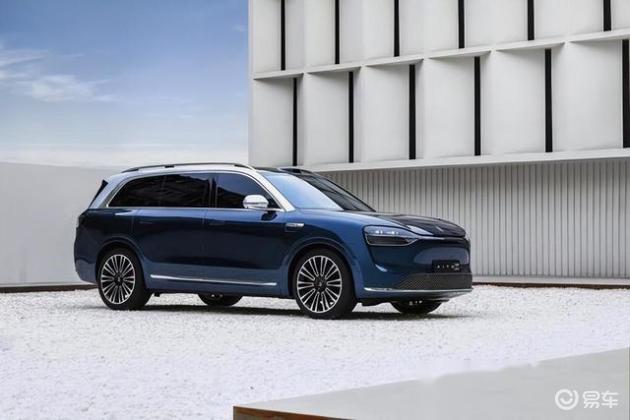
In fact, in the past few years, although the new power brands of ideal and international brands focusing on electric vehicles continue to be questioned and criticized, the sales of these brands focusing on mid-to high-end models are getting better and better. In the past March, the sales volume in a single month exceeded 28,000, and the number of brands in the world exceeded 30,000. The unit price of all models in LI was above 300,000, and as a model with a level of more than 450,000, the sales volume also exceeded 6,000. Therefore, the performance of electric technology in mid-to high-end models is still recognized.
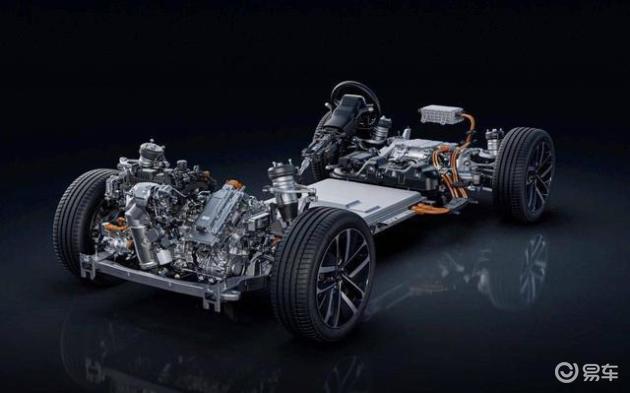
With regard to electric vehicles, many experts and bosses of car companies will always seize a point to attack, that is, the loss of electricity and fuel consumption of electric vehicles are high. In fact, there is nothing to avoid. Due to the structural relationship, when the battery power of electric vehicles is very low and it is difficult to afford the power needed by vehicles, the range extender needs to continuously generate power at high speed, and the fuel consumption naturally comes up. Moreover, with the decrease of power, the sound after the range extender is started is also relatively loud, which is the obvious slot point.
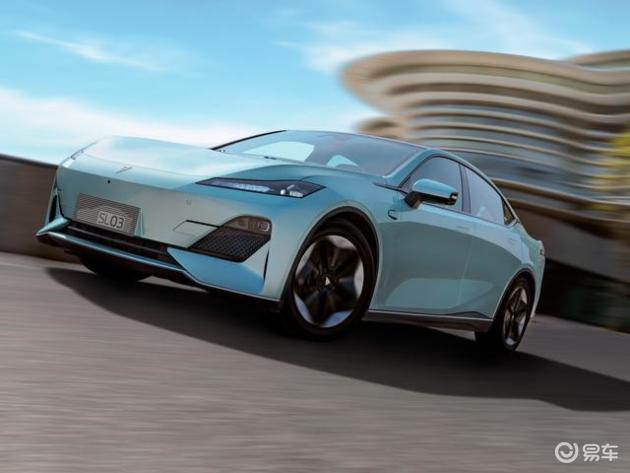
But since the electricity consumption of electric vehicles is relatively high, why do so many consumers choose electric vehicles, and they don’t care about fuel consumption at all? Many cars are incorporated into the extended-range track. Aren’t they afraid that their cars won’t sell?
As a matter of fact, although many cars and brands that focus on low power loss and fuel consumption will criticize electric vehicles for their high power loss and fuel consumption, for most electric vehicle owners, the core disadvantage they may not tolerate most is that the battery life of pure electric vehicles is too short!
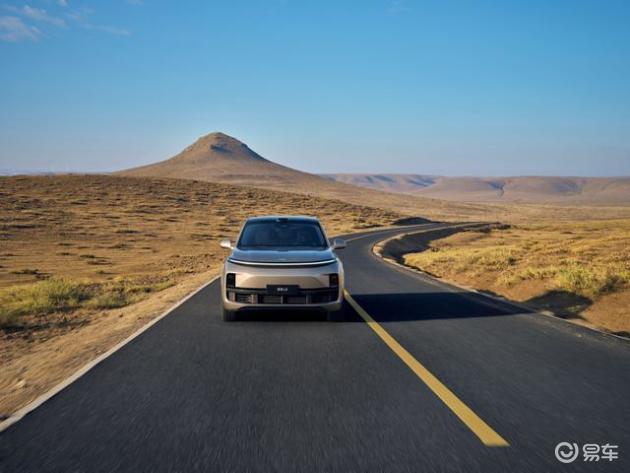
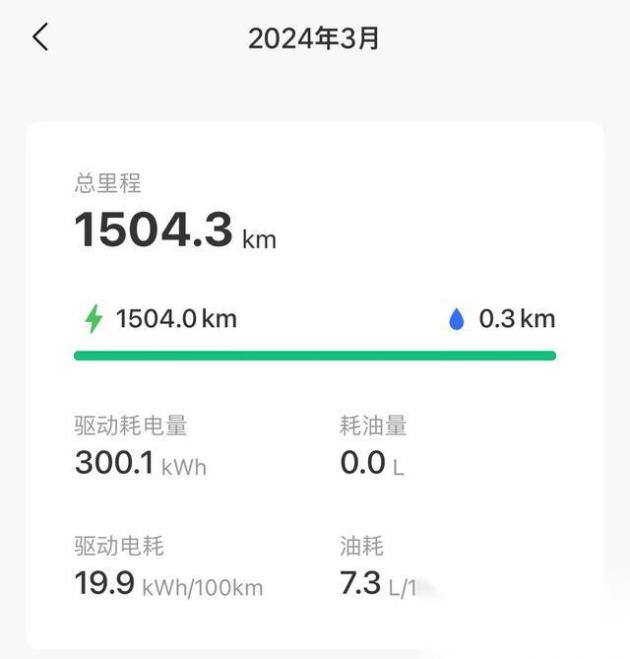
As the owner of an electric vehicle, an obvious feeling is that after pure electric driving, it will try its best to avoid starting the range extender. On the one hand, pure electric driving is really very economical, and on the other hand, after the range extender is started, the acceleration performance and NVH performance of the vehicle are inferior to those of pure electric driving. Therefore, many users of electric vehicles are basically driven by pure trams in the process of short-distance commuting, and for most car owners, short-distance commuting accounts for the vast majority of the total mileage. For example, Xiaobian ran for 1,500 kilometers in March, and almost no oil was used. Therefore, many car owners simply don’t care whether the fuel consumption is high or not.
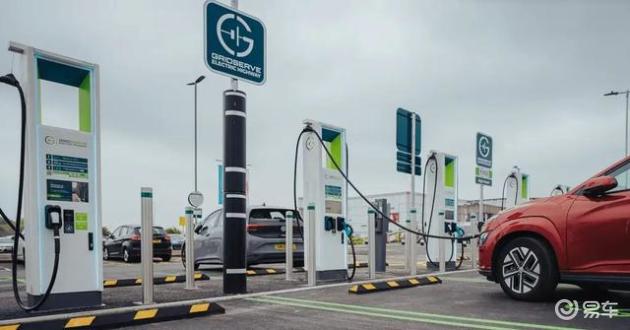
But after getting used to pure electric driving, many car owners have another unrealistic assumption: if only the electric car at hand was a pure tram! Because although the pure electric vehicle has a cruising range, it will be a little more than the plug-in hybrid vehicle of the same level and size, but it is still much worse than the pure electric vehicle. This requires frequent charging. For users who have a home charging pile, of course, it’s nothing, and they can charge it every day. However, for users who need to rely on third-party fast charging, everyone may think that the core disadvantage of electric vehicles is that the pure battery life is too short. If the pure battery life can be comparable to that of pure trams, it will be perfect.
Therefore, in fact, in essence, many experts criticize the high fuel consumption of electric vehicles due to power loss. This is a fact, but in many cases, this fact has little to do with the user’s real car scene. The reason is very simple, that is, after getting used to pure electric driving, many car owners will try their best to avoid starting the range extender, let alone let the vehicle start the range extender under power loss. Therefore, many car owners will only feel that the short cruising range of pure electricity is a disadvantage after using it for a period of time, rather than the high fuel consumption due to power loss.
When power shortage and high fuel consumption are not a problem, electric vehicles are essentially the characteristics of electric vehicles, which are all advantages. Especially in the landing of high-level intelligent driving assistance, electric vehicles and pure trams are treated equally, because the electric drive is more real-time and sensitive in nature, and the intelligence generated by the intelligent driving system can be transmitted to the wheel end without delay, which is impossible for fuel vehicles and some plug-in vehicles.
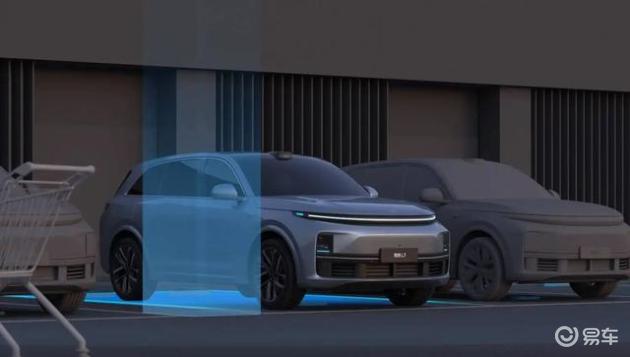
Therefore, when the high fuel consumption due to power loss attacked by experts and competitive brands does not coincide with the pain points of users, the advantages of electric vehicles are reflected, and many people will choose this technical route, and as you can see, many people who focus on electric vehicles are continuously improving the cruising range of pure electric vehicles, which is to see the pain points of car owners.